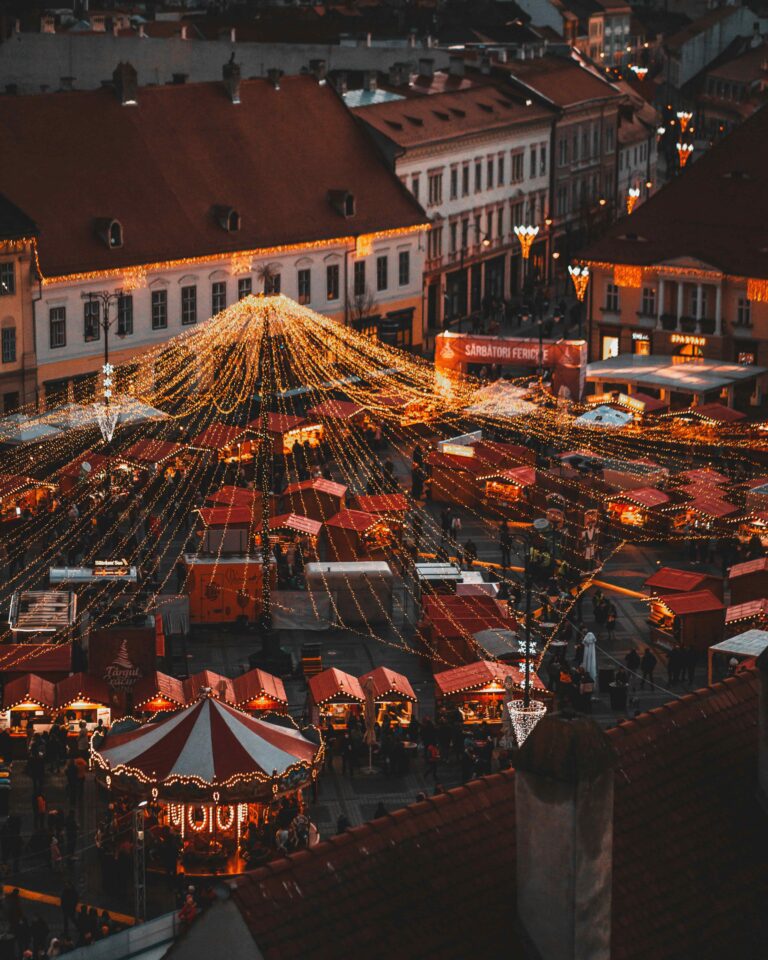
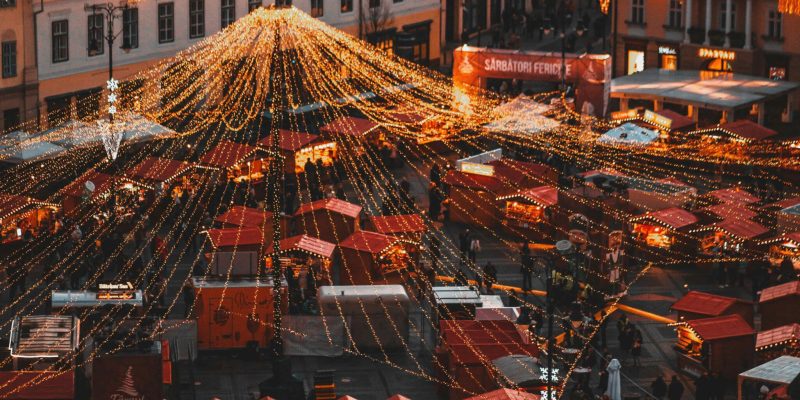
Romania in winter is like stepping into a living fairytale. The Carpathian Mountains are draped in snow, their dense forests whispering legends of wolves, bears, and centuries-old folklore. Medieval towns like Brasov, Sinaia, and Sighisoara glow with warm lights while castles perched on rocky peaks emerge dramatically from the white landscape. From the Dracula-associated Bran Castle to the elegance of Peles Castle, Romania offers a unique combination of history, adventure, and winter wonder, making it an increasingly sought-after destination for European travellers seeking an authentic snowy escape.
1. Brasov: Medieval Streets in Winter
Brasov is a perfect starting point for any winter journey in Romania. The Council Square (Piata Sfatului) is surrounded by colourful baroque buildings dusted in snow. Narrow cobbled streets lead to cosy cafés where visitors can warm up with traditional papanasi (sweet cheese dumplings) and sip mulled wine. A cable car ride to Tampa Mountain offers panoramic views of the snow-covered town and surrounding peaks.
“In Brasov, medieval charm and winter magic converge beneath the shadow of the Carpathians.”
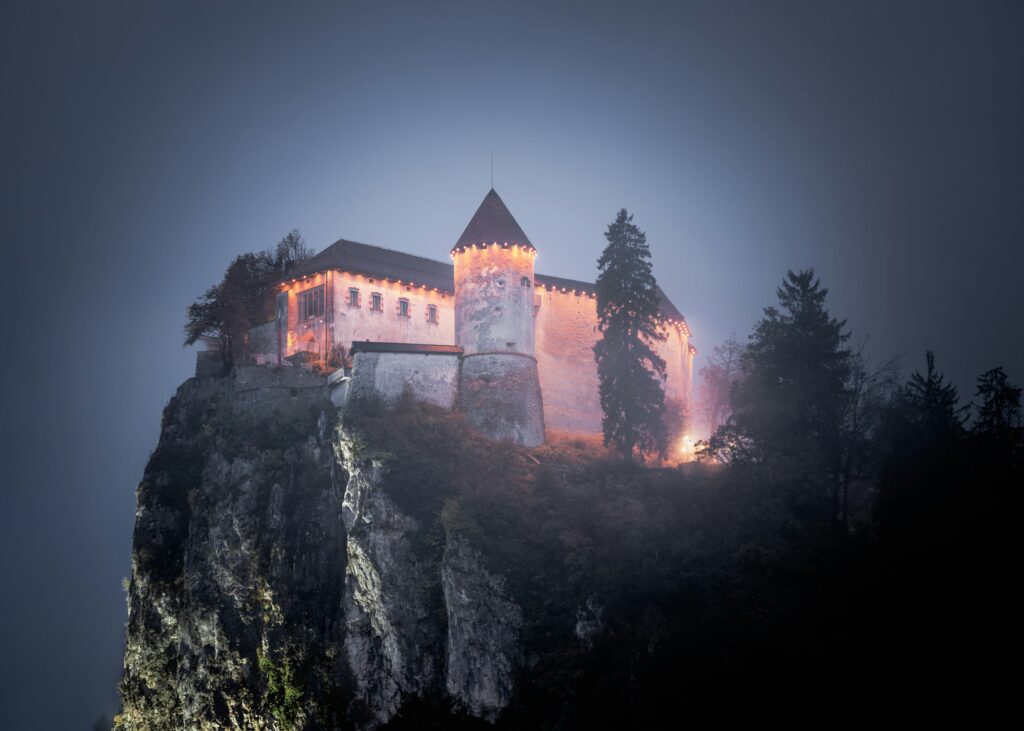
2. Bran Castle: Romania’s Winter Icon
Known to many as “Dracula’s Castle,” Bran Castle is a striking silhouette against the snowy Carpathian backdrop. Its towers and turrets stand proudly atop a rocky hill, surrounded by pine forests glazed with frost. Inside, narrow staircases, timbered halls, and historic artefacts evoke a sense of mystery. Winter is the ideal time to visit as the summer crowds disappear, allowing for a quiet, immersive experience.
“Bran Castle in winter feels like stepping into a Gothic painting brought to life.”
Official Source: https://www.bran-castle.com
3. Peles Castle: A Fairytale in the Snow
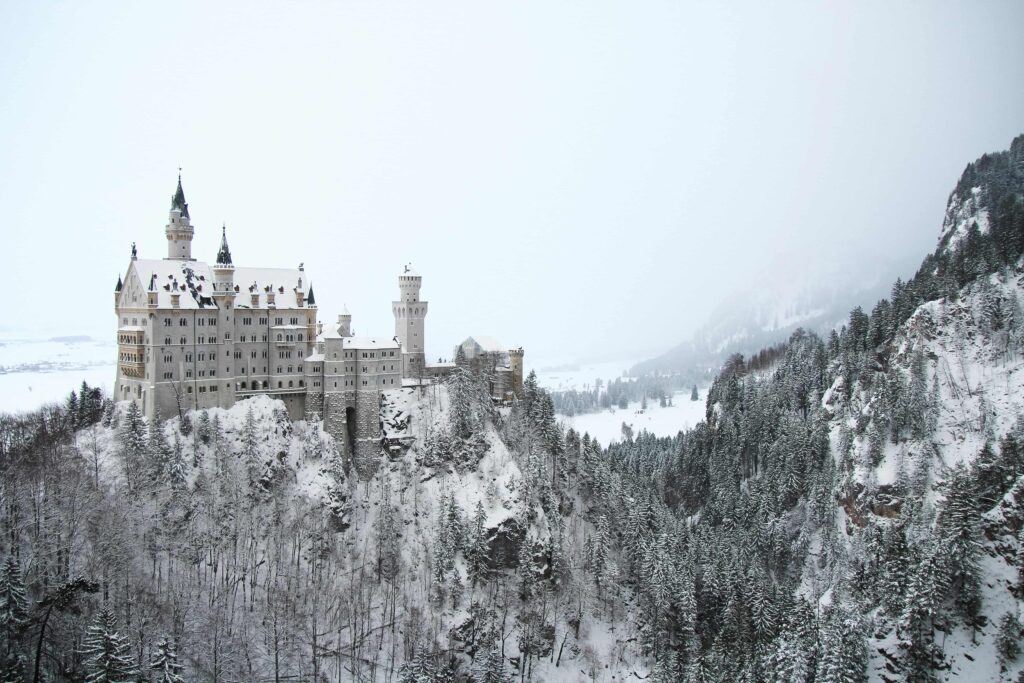
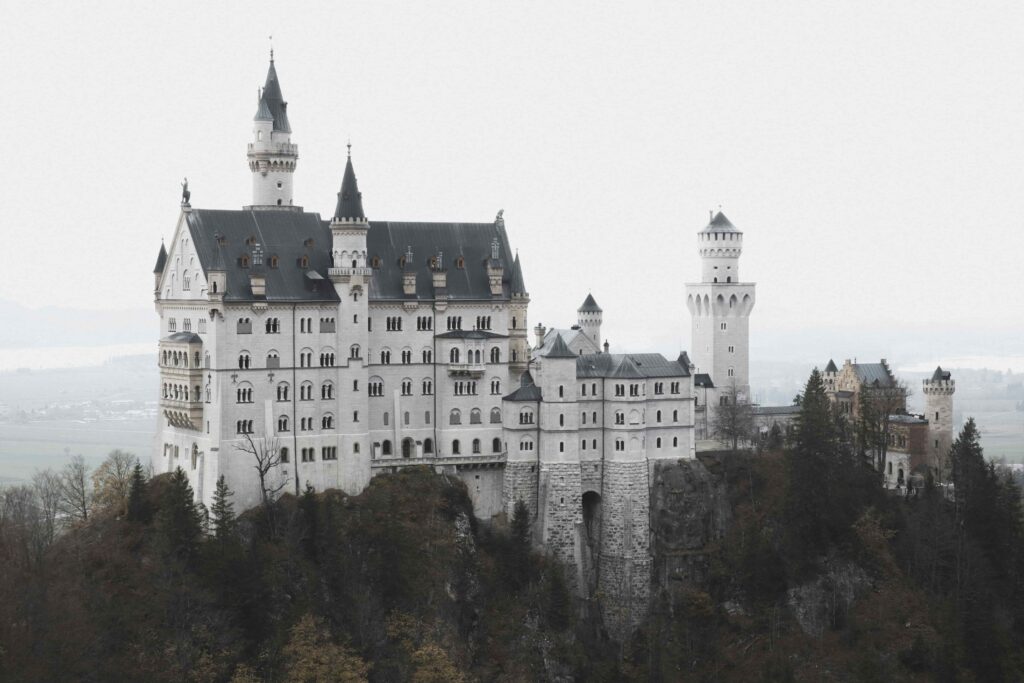
In Sinaia, Peles Castle is an architectural masterpiece with Bavarian-inspired turrets, intricate woodwork, and stunning stained glass. Surrounded by the snowy Bucegi Mountains, it becomes even more enchanting in winter. Visitors can explore the castle’s opulent interiors, from royal bedrooms to ornate libraries, before taking a stroll through the frost-covered gardens.
“Peles Castle in winter is a dream frozen in time, blending art, architecture, and Alpine serenity.”
Official Source: https://www.peles.ro
4. Carpathian Forests & Wildlife Adventures
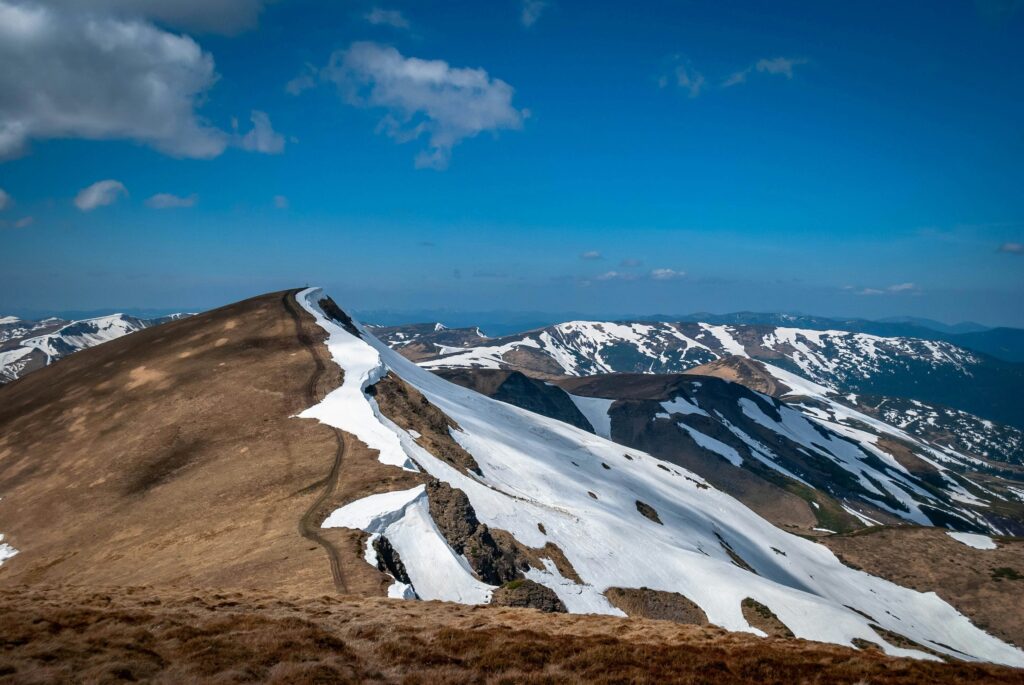
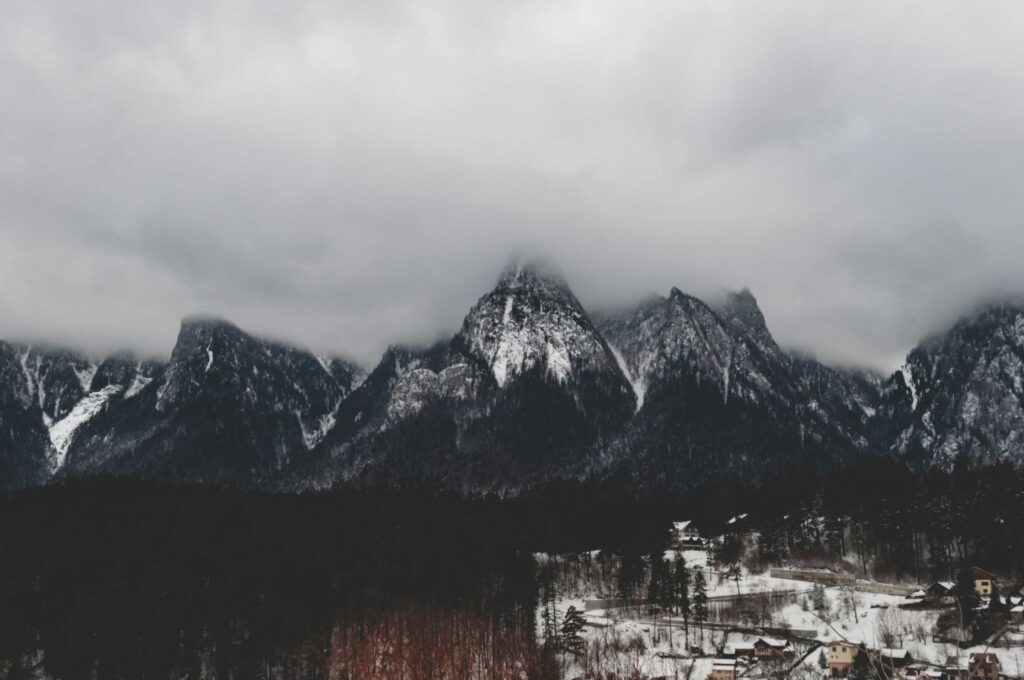
The Carpathians are Europe’s second-largest mountain range, offering winter hiking, snowshoeing, and wildlife watching. Forests around Zarnesti and the Bucegi Mountains are home to bears, wolves, lynx, and deer, many visible from a safe distance. Snow-laden trails lead to frozen rivers, waterfalls, and scenic viewpoints, ideal for photography and nature immersion.
“Winter in the Carpathians is a serene wilderness where wildlife and silence dominate the landscape.”
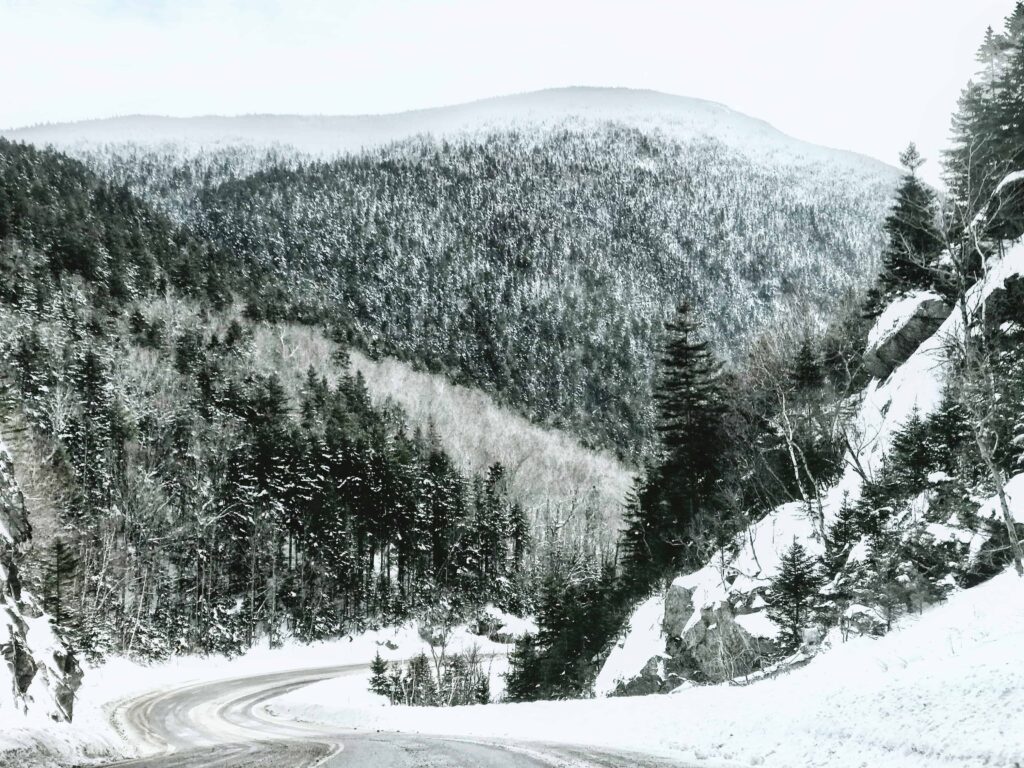
5. Transfagarasan Road & Scenic Drives
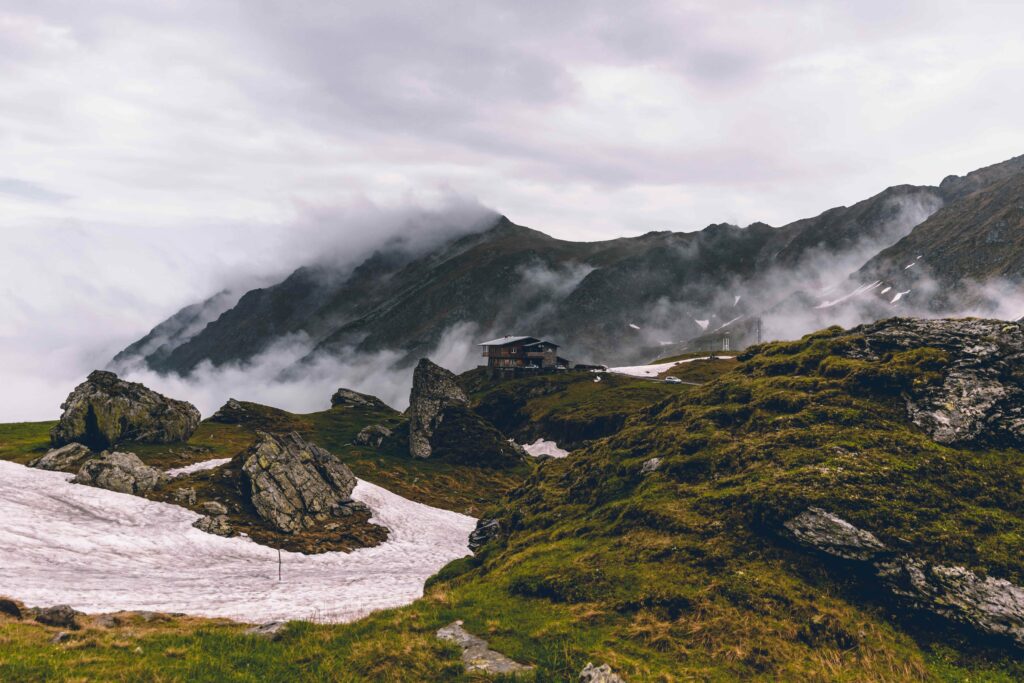
Though the famous Transfagarasan Road is closed in winter due to snow, lower sections still offer stunning vistas. Mountain passes, icy waterfalls, and isolated villages along the route make it a photographer’s dream. Snow-dusted forests and frozen lakes provide endless inspiration for winter travellers.
“Even a partially accessible Transfagarasan in winter is a breathtaking panorama of snow, rock, and sky.”
6. Winter Folklore Festivals
Romania’s winter culture is deeply tied to ancient traditions. In regions like Maramures and Moldavia, travellers can witness masked dances, bear rituals, and festive markets featuring local crafts, homemade cheeses, and spiced mulled wine. These celebrations preserve centuries-old customs and give visitors a unique glimpse into Romania’s living folklore.
“In the Carpathians, winter is more than snow — it’s the heartbeat of tradition and folklore.”